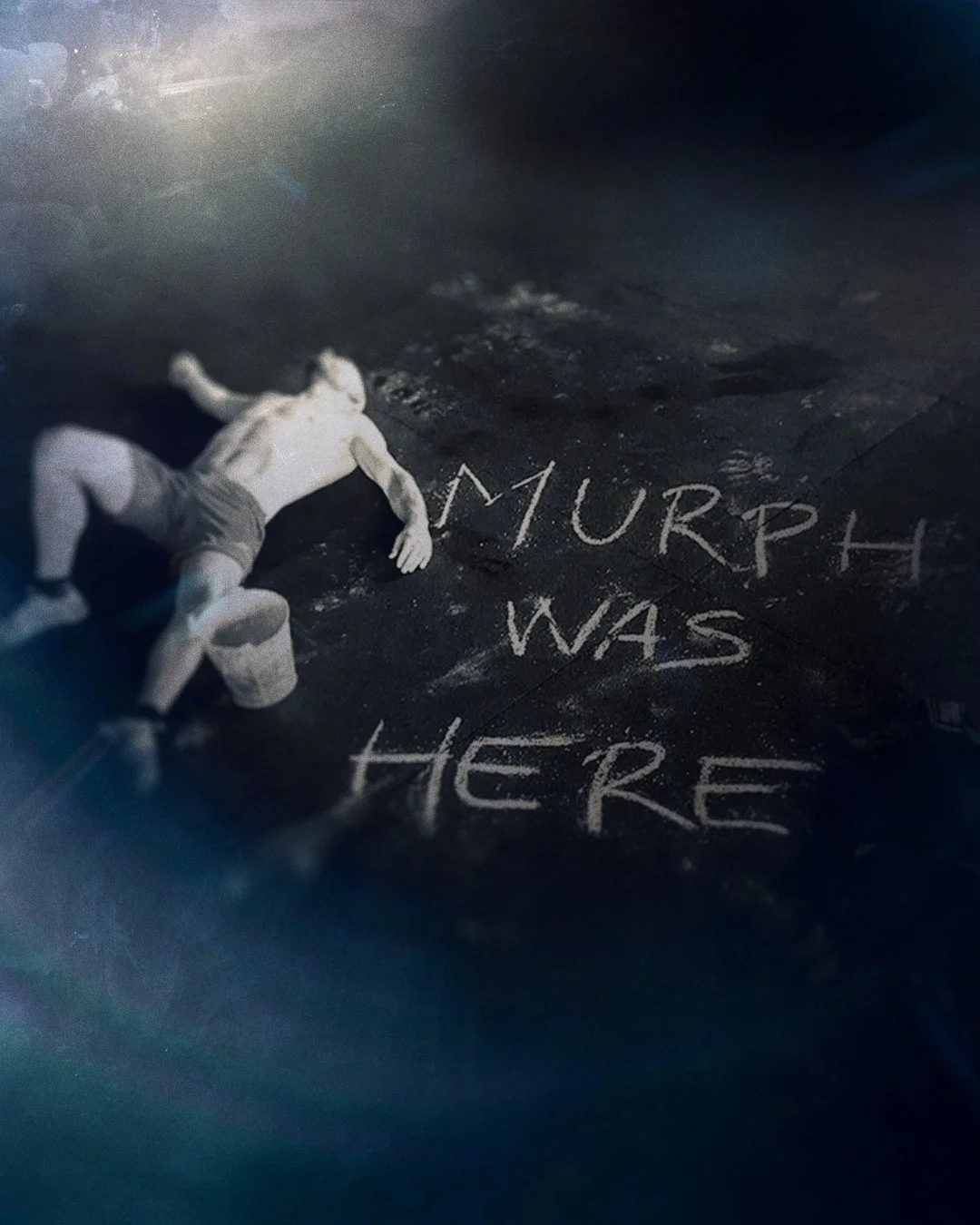
Murph: More Than a Workout
Every year around Memorial Day, CrossFit gyms around the world take on one of the most well-known Hero workouts in CrossFit: Murph.
On paper, it looks simple:
1 mile run
100 pull-ups
200 push-ups
300 air squats
1 mile run
Rx athletes may complete it while wearing a 20/14 lb weight vest, but for most people, the vest is not the point. The point is showing up, working hard, honoring the reason behind the workout, and doing it together.
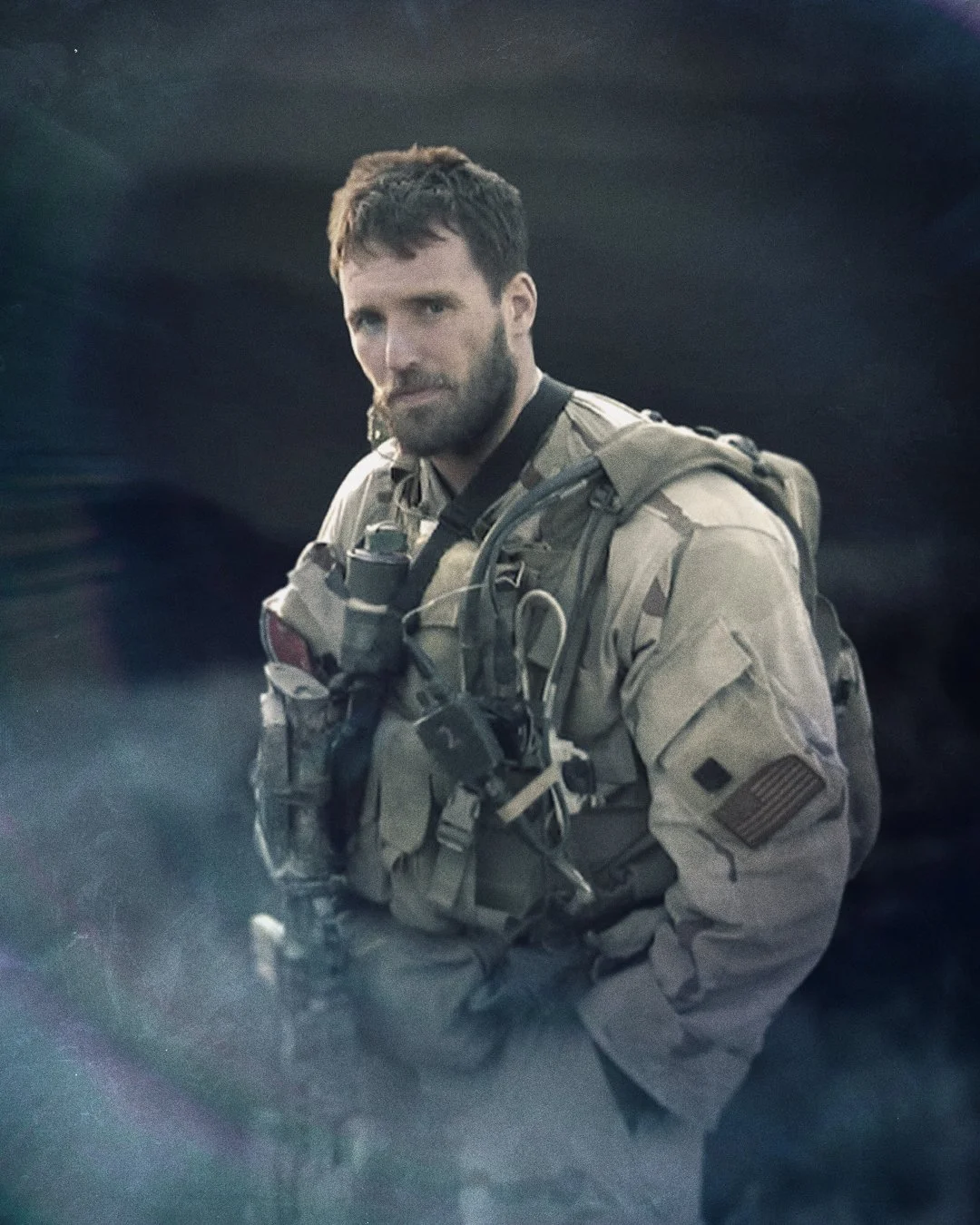
Murph is named after Lt. Michael P. Murphy, a U.S. Navy SEAL who was killed in Afghanistan during Operation Red Wings in 2005. Murphy was the officer-in-charge of a four-man SEAL team whose mission came under heavy enemy fire. During the battle, he exposed himself to danger in order to call for help for his team. His courage and sacrifice are the reason this workout carries his name.
CrossFit introduced Murph as an official Hero workout in 2005, and over time it became a Memorial Day tradition throughout the CrossFit community. What started as a brutally simple workout has become something much bigger: a shared way to remember, honor, and suffer together for a purpose.
Why We Do Murph as a Community
Murph is not just about fitness. It is about remembrance.
There are plenty of workouts that make us tired. Murph is different because it asks us to attach our effort to something beyond ourselves. We are not just running, pulling, pushing, and squatting for a score on the whiteboard. We are remembering someone who gave everything.
That is also why we do it together.
No one has to be the fastest. No one has to do it Rx. No one has to wear a vest. The beauty of Murph is that everyone can participate in a way that is challenging, appropriate, and meaningful. Some athletes will chase a personal best. Some will do their first full Murph. Some will partner it. Some will cut the volume in half. Some will spend more time cheering than working.
All of that belongs.
A workout like Murph reminds us of one of the best parts of CrossFit: shared effort builds community. When the workout gets hard, people encourage each other. When someone finishes, they turn around and cheer for the next person. The suffering is real, but so is the support.
The CrossFit Connection
CrossFit has always had a close connection with military, law enforcement, firefighters, and first responders. Many of the early CrossFit athletes came from those communities because the training style matched what they needed: functional strength, stamina, grit, and the ability to keep moving under fatigue.
Hero workouts are part of that history. They are intentionally difficult. They are written to honor men and women who died in service. Murph is one of the most recognized Hero workouts because of the story behind it, the simplicity of the workout, and the way the CrossFit community has embraced it every year. CrossFit describes Murph as a workout that honors Lt. Michael Murphy’s legacy and sacrifice.
Scaling Murph the Right Way
The goal of Murph is not to destroy yourself. The goal is to honor the workout with the best effort you can give while still moving well.
For many athletes, the smartest choice is to scale the volume, modify the movements, or complete it with a partner. Scaling is not a lesser version of Murph. Scaling is how we preserve the intent of the workout and make it appropriate for each person.
Option 1: Full Murph — Partitioned
1 mile run
20 rounds:
5 pull-ups
10 push-ups
15 air squats
1 mile run
This is the most common version. Breaking the middle work into 20 rounds keeps the reps manageable and helps preserve movement quality.
Option 2: Half Murph
800m run
10 rounds:
5 pull-ups
10 push-ups
15 air squats
800m run
This is a great option for newer athletes or anyone who has not built up the volume for the full workout yet.
Option 3: Partner Murph
1 mile run together or split
100 pull-ups
200 push-ups
300 air squats
1 mile run together or split
Split the pull-ups, push-ups, and squats as needed. This keeps the community feel high and makes the workout much more approachable.
Option 4: Beginner Murph
800m run or walk
10 rounds:
5 ring rows
5–10 elevated push-ups
15 air squats
800m run or walk
This version keeps the spirit of the workout while reducing the demand on the shoulders, elbows, and hands.
Option 5: No-Run Option
For athletes who cannot run, we can substitute:
Bike, row, ski, or walk
Then complete an appropriate version of the pull-up, push-up, and squat work.
The workout should challenge you, but it should not punish you for where you are today.
Movement Quality Matters
Murph has a lot of reps. That makes movement quality even more important.
The goal is not to survive 100 sloppy pull-ups, 200 sagging push-ups, and 300 half-depth squats. The goal is to move with purpose and respect the workout.
For pull-ups, choose a version that lets you keep control. That might mean strict pull-ups, kipping pull-ups, banded pull-ups, jumping pull-ups, or ring rows.
For push-ups, protect the shoulders and midline. A scaled push-up with a straight body and full range of motion is better than an Rx push-up that turns into a worm off the floor.
For air squats, keep the standard. Full depth, heels down, knees tracking, chest up. These reps add up quickly, and the better you move early, the better you will feel later.
Good scaling allows you to keep moving. Good movement allows you to finish with pride.
The Vest Is Earned, Not Required
One of the biggest mistakes athletes make is thinking Murph only “counts” if they wear a vest.
It counts when you show up.
It counts when you scale appropriately.
It counts when you move well.
It counts when you honor the reason behind the workout.
The vest should only be used by athletes who already have the strength, stamina, and movement quality to handle the full workout without it. Adding load to poor positions does not make the workout more meaningful. It just makes it riskier.
Murph should be hard. It should not be reckless.
Final Thought
Murph is one of those workouts that stays with you.
You remember the first mile. You remember when the push-ups started to fall apart. You remember the final run. You remember the people who were beside you. You remember the people who finished before you and stayed to cheer. You remember why you were doing it.
That is what makes Murph special.
It is not just a test of fitness. It is a reminder of sacrifice, gratitude, community, and the privilege we have to do hard things together.