
Level Two: Metabolic Conditioning
CrossFit Travelers Rest | The Theoretical Hierarchy of Development — Part 2 of 5
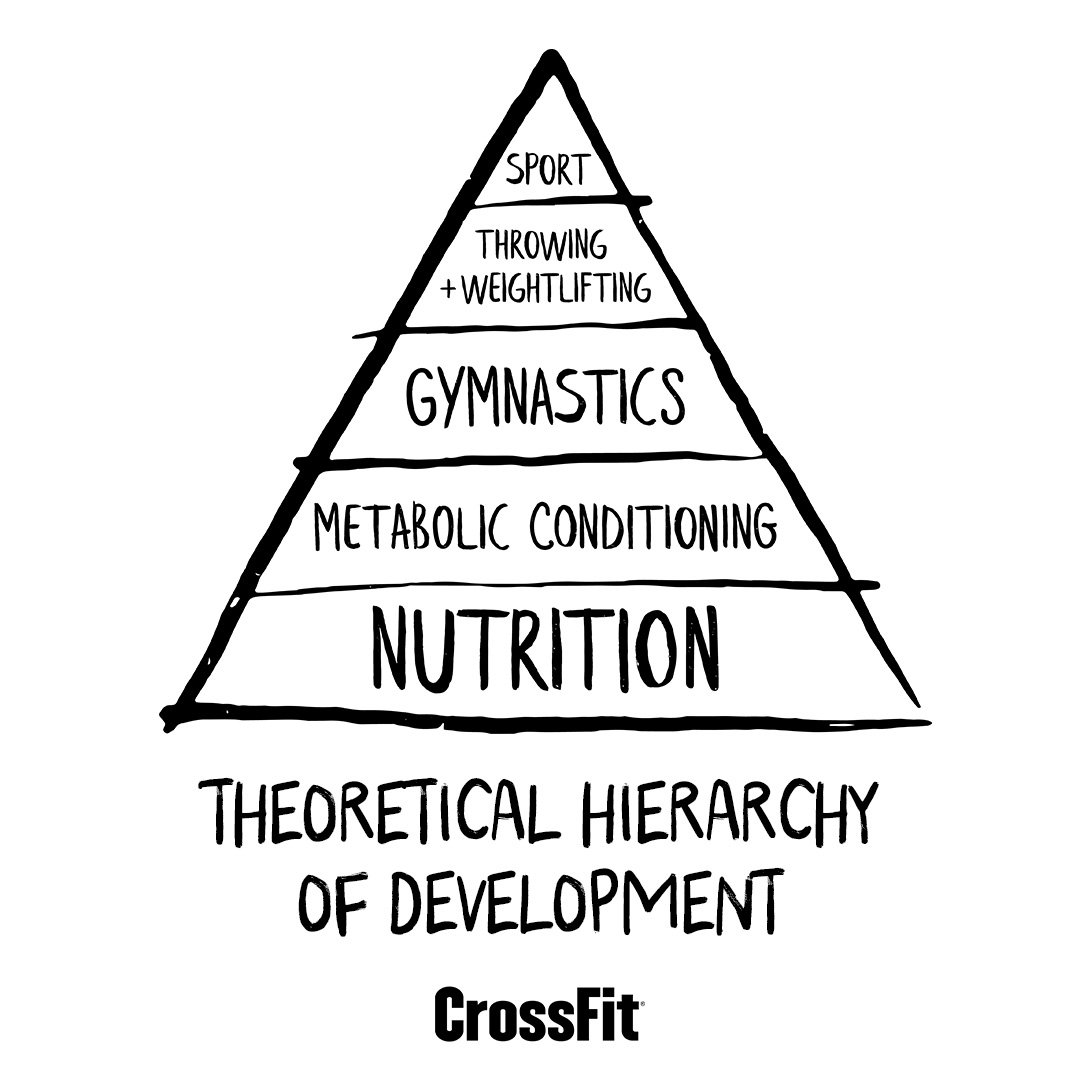
Last week we covered nutrition — the base of the pyramid. This week we move up one level to what most people just call "cardio," but which the CrossFit methodology defines a lot more precisely: metabolic conditioning.
This is the level where your body's engines get built. Skip nutrition and this level suffers first — you can't condition an engine that isn't fueled. Get nutrition right, and this is where that foundation starts converting into actual capacity.
Three Engines, Not One
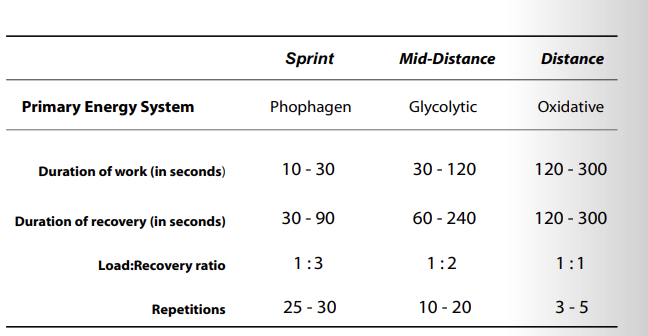
Most people think of "cardio" as one thing. CrossFit's methodology breaks it into three distinct energy systems, each dominant over a different time domain:
Phosphagen — powers efforts under about 10 seconds. Think a max-effort clean or a short sprint.
Glycolytic — powers efforts lasting up to a few minutes. Think a hard 2-minute AMRAP.
Oxidative — powers efforts lasting several minutes or more. Think a 20-minute row or a long metcon.
The first two are anaerobic. The third is aerobic. Total fitness requires training all three — not just the one that feels most familiar.
Aerobic vs. Anaerobic — and Why CrossFit Favors Anaerobic
Of the three engines, the phosphagen and glycolytic pathways are anaerobic — high power, short duration. The oxidative pathway is aerobic — lower power, sustained over minutes or longer. A benchmark 5k run is a good example of a mostly aerobic effort: steady, sustained output over 20-plus minutes, with no real anaerobic spikes.
The most common mistake in fitness generally, not just in CrossFit, is over-favoring that aerobic pathway — the classic "go for a long run" approach. Steady-state aerobic work has a real cost: sustained high volumes of it tend to eat into strength, speed, and power. Greg Glassman put it bluntly in his original 2002 CrossFit Journal essay, "What Is Fitness?":
"Athletes engaged in sports or training where a preponderance of the training load is spent in aerobic efforts witness decreases in muscle mass, strength, speed, and power. It is not uncommon to find marathoners with a vertical leap of only several inches!"
This is why CrossFit's methodology leans anaerobic. From the same essay:
"Anaerobic activity also benefits cardiovascular function and decreases body fat! In fact, anaerobic exercise is superior to aerobic exercise for fat loss! ... Properly structured, anaerobic activity can be used to develop a very high level of aerobic fitness without the muscle wasting consistent with high volumes of aerobic exercise!!"
Done right, anaerobic training builds a very high level of aerobic conditioning as a side effect — without the muscle wasting that comes from high volumes of steady-state cardio. You get the engine without losing the strength and power you're building at the other levels of the pyramid. A 5k has its place in a well-rounded program, but it's the exception on our board, not the model.
One of the main tools that makes this work is interval training — short, hard efforts followed by built-in rest, repeated. It's not the only format we program (straight-for-time sprints and set-time AMRAPs live here too), but it's a deliberate piece of the mix precisely because it's the most direct way to stay anaerobic on purpose.
Why This Comes Before Gymnastics and Weightlifting
The hierarchy places metabolic conditioning ahead of gymnastics and weightlifting for a reason: your engine determines how much work you can actually do, and how much stress you can absorb and recover from. An athlete with a well-built engine can train gymnastics and weightlifting harder, more often, and recover faster between sessions. An athlete with a weak engine hits a ceiling fast, no matter how good their technique is.
This is also the level where nutrition pays off most visibly. Properly fueled, your body cycles through these energy systems more efficiently — better fat utilization, faster recovery between intervals, less of that "running on fumes" feeling by round three.
What This Looks Like at TR CrossFit
Every metcon on the board is built with a specific energy system — or blend of systems — in mind. A 21-15-9 sprint is largely phosphagen/glycolytic. A 20-minute AMRAP leans oxidative with glycolytic surges. That's not arbitrary programming; it's deliberately varying which engine gets stressed so none of the three get neglected.
You'll see this show up most often in two formats:
2:00 on / 2:00 off intervals. A 1:1 work-to-rest ratio in that range sits squarely in glycolytic territory — long enough to hurt, short enough that you're pushing real output each round instead of just surviving. This is interval training in its most direct form.
Partner YGIG (You Go, I Go). One partner works while the other rests, then you switch. Same interval principle, but the rest period is built in by your partner's turn instead of the clock — which often means you can push each work interval harder, because you know real recovery is coming.
Both formats are deliberate anaerobic stress with built-in recovery — the exact mechanism that develops aerobic capacity without the drawbacks of long, steady-state cardio.
If you've ever wondered why some days feel like an all-out sprint and others feel like a grind, that's the point. Constantly varied isn't randomness — it's coverage across all three metabolic pathways over time.
What's Next
Next week we move to Level Three: gymnastics — the movements that build the strength, control, and body awareness that everything above this level depends on.